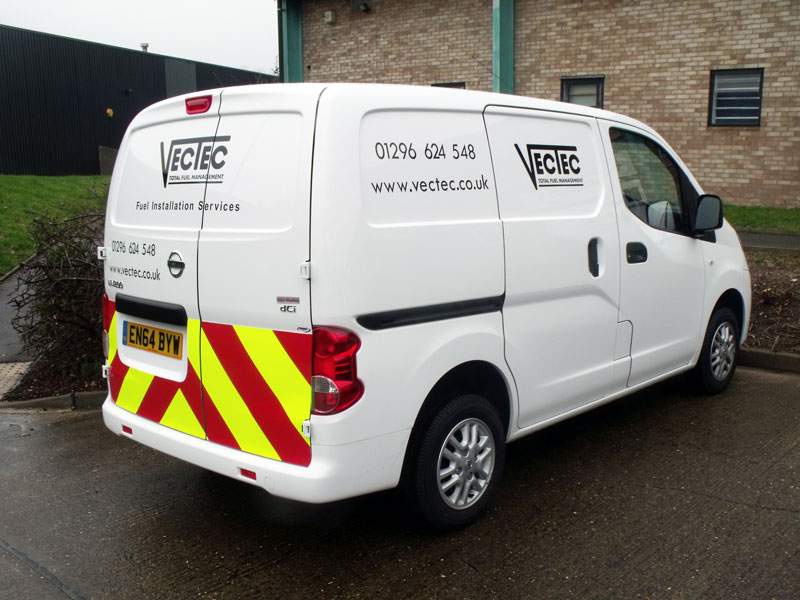
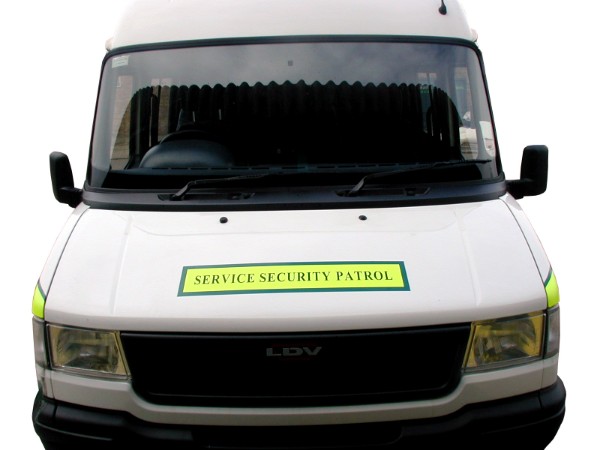
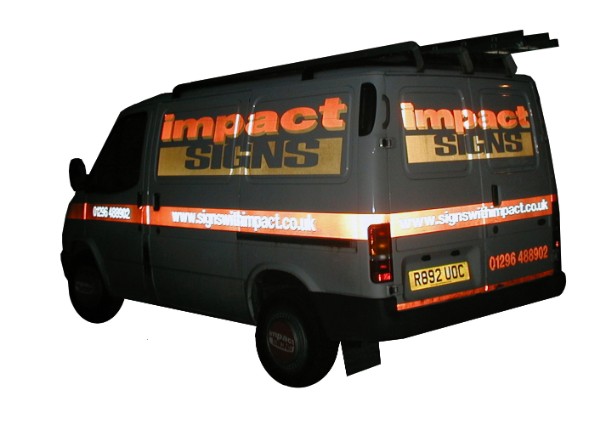
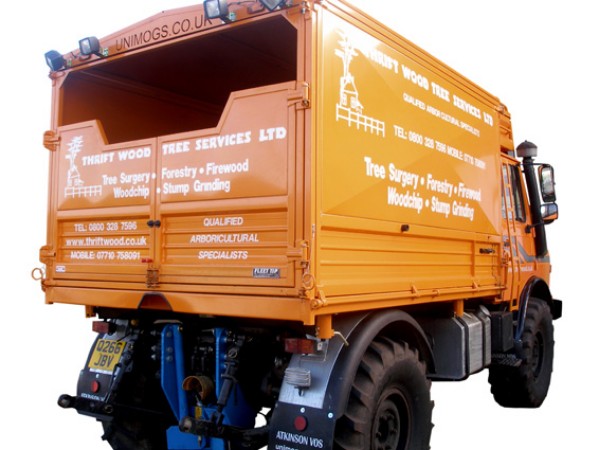
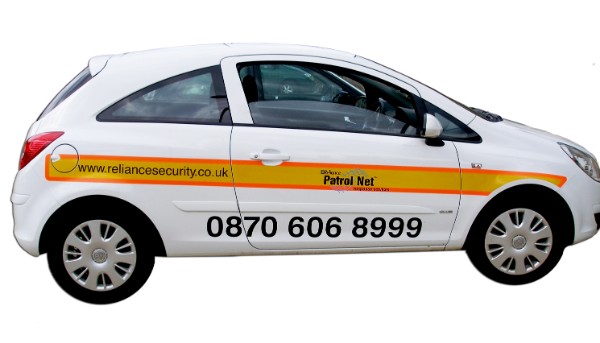
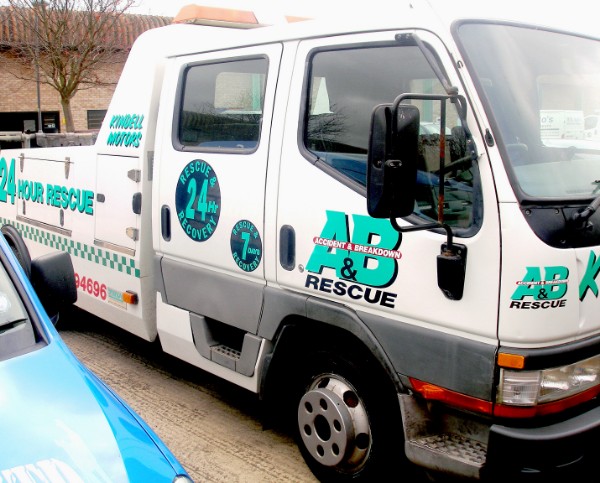
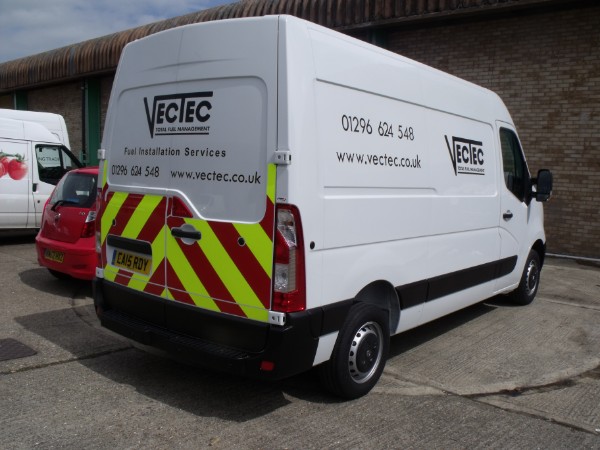
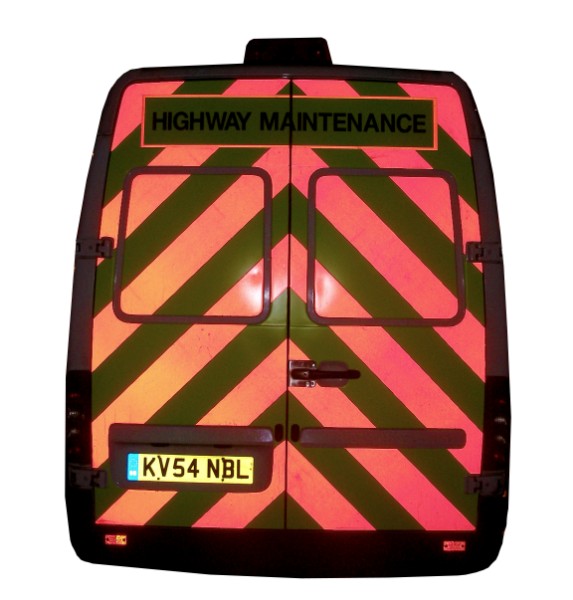
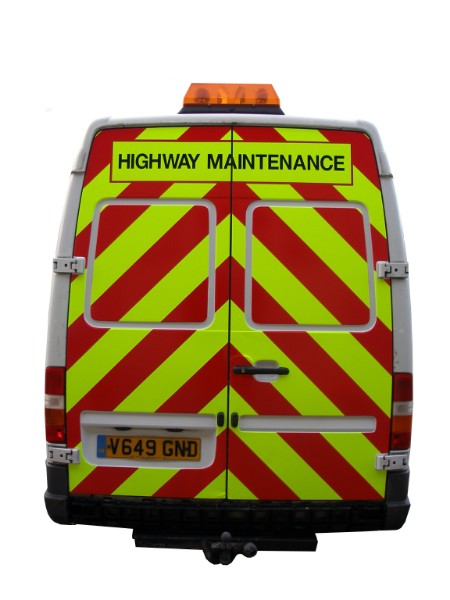
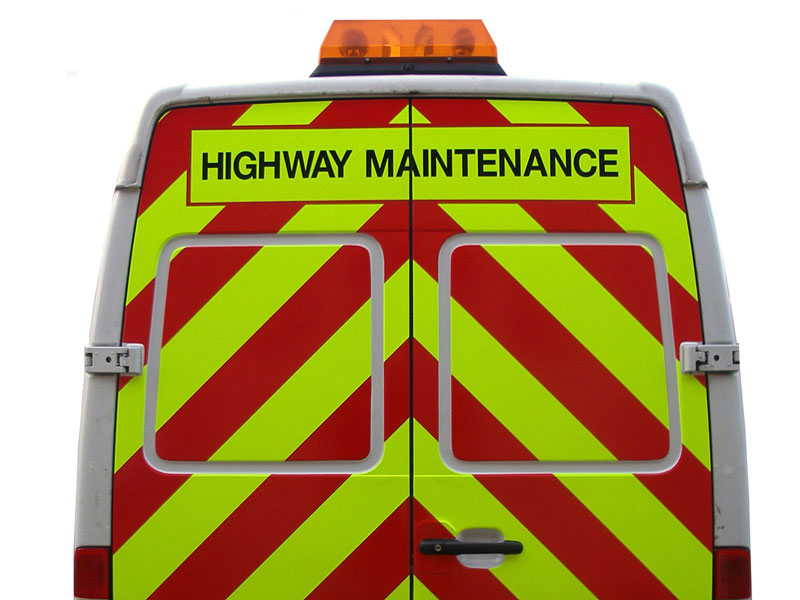
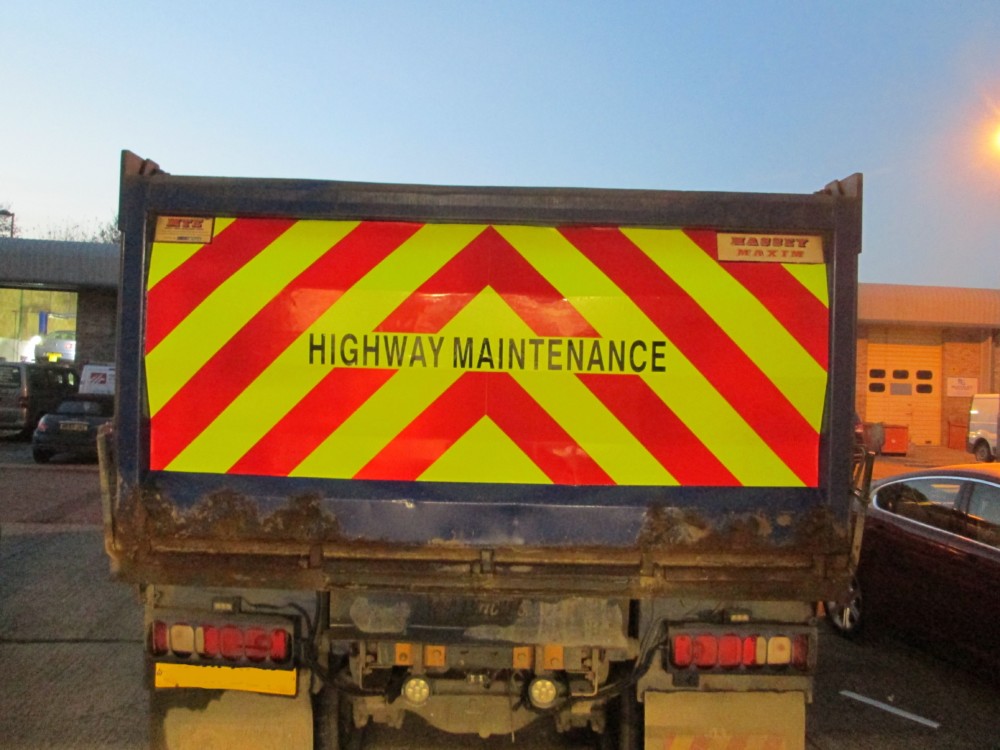
Chapter 8 compliant reflective and fluorescent sign writing. Reflective graphics and chevrons for vans and cars.
Why Choose Chevrons & Reflective Solutions for Your Fleet
High-Visibility Vehicle Graphics for Safer Roads
Chevrons & Reflective markings keep your fleet visible in all conditions, and this visibility plays a major role in safety. These high-visibility vehicle graphics react instantly to headlights and street lighting, so your branding becomes clear even in poor weather. As a result, drivers notice your vehicles sooner, which improves awareness and reduces roadside risks. Impact Sign Solutions installs these markings with precision, ensuring your fleet always looks professional.
Chevrons & Reflective Markings That Enhance Compliance
Although many people associate chevrons & reflective markings with emergency and highway vehicles, they are essential for commercial fleets as well. Reflective safety films, chevron vehicle markings, and high-visibility striping all support Chapter 8 compliance. Because these markings increase contrast on the rear and sides of a vehicle, they help prevent collisions and ensure workers stay protected. Furthermore, reflective graphics reinforce your brand while keeping your fleet within legal requirements.
Chevrons & Reflective Durable Vinyl Films for Long-Lasting Performance
Reflective vinyl remains bright for up to five years. It maintains clarity, colour accuracy, and Chevron markings strength throughout its lifespan, which makes it ideal for long-term fleet use. In addition, Impact Sign Solutions offers fluorescent vinyl for enhanced daytime visibility. This material glows under natural daylight and is often used on construction vehicles and delivery fleets. Although it lasts between six months and three years, it offers powerful attention-grabbing performance during working hours.
Complete In-House Production for Better Control
Impact Sign Solutions manages your project from start to finish. Because we handle design, printing, cutting, and installation in-house, we maintain strong quality control. Moreover, this approach speeds up turnaround times and keeps your costs competitive. Whether you run a single service van or a large fleet, our reflective vehicle graphics, chevron-style striping, and visibility-enhancing films provide consistency, durability, and long-term safety benefits.
Extra Benefits of High-Visibility Fleet Markings
In addition to safety and compliance, reflective vehicle graphics help your brand stand out on busy roads. They create a strong first impression, and they make your vehicles easier to identify at night. As a result, your fleet appears more reliable and professional, which strengthens customer trust.
(inc. VAT)
Colour Swatch
This product is available in the following colours.
Disclaimer: Although every effort has been made to display the colour swatches shown as true, all monitors are not consistant in colour representation, the swatches therefore should be taken only as a guide!Chapter 8 Legal
Different materials
We work with materials supplied from all major manufacturers, and all are approved for highways markings, meeting the requirements of ECE104 and Chapter 8. Most products are warranted for between 2 and 8 years. There are three main types of material that we use in our livery kits: Prismatic (Recommended for Chapter 8 Compliance) These innovative products are highly retro-reflective due to their design and construction and are edge sealed when cut to ensure maximum effectiveness and durability. This is the material most commonly used in emergency service applications. Reflective (Also known as Engineering grade) Often used for rear chevrons on cars and vans and ideal for text sections on vehicles. This is a low cost, flexible, high visibility solution offering good visibility in night-time conditions using micro glass-bead technology. Fluorescent This is an effective material for day-time use on vehicles. It does not possess reflective qualities and is usually warranted for only 2-3 years as it fades as it fluoresces.What is Chapter 8 and its legal status?
The use of chapter 8 compliant vehicle livery is considered DfT best practice, it is recommend that any vehicles stopping on UK roads for works or inspection purposes should be compliant. It is intended to provide a standard of good practice and is considered as the minimum requirement, which should always be achieved. Whilst Chapter 8 is not legislation, by not complying with these guidelines you are leaving yourself open to potential legal action should an accident happen involving your fleet. Officially the Health and Safety at Work, etc. Act 1974 and the Health and Safety at Work (NI) Order 1978 require all clients, employers and employees to establish and maintain safe systems of work. Chapter 8 may be considered as representing what is reasonably practicable for the enforcement of the Health and Safety at Work etc. Act 1974, the Health and Safety at Work (NI) Order 1978, and associated regulations. Chapter 8 sets out a code of practice to enable the legal requirements to be met in a wide variety of circumstances. Although it has no statutory force (except in Northern Ireland where an authorised officer for the Department may deem it to have such force); it should be noted that many of the basic principles contained in this document are also covered in the Safety at Street Works and Road Works – A Code of Practice, which has legal backing under Sections 65 and 124 of the New Roads and Street Works Act 1991 and Article 25 of the Street Works (NI) Order 1995.Maintenance & Tech
Care of your new vehicle livery
Congratulations, you have just bought ‘the best’. Impact Signs use ‘new generation’ vinyls for all of their vehicle liveries. The manufacturers stated exterior life under normal conditions is a massive 7 – 10 years (except florescent & some specialty finishes). Although you may not intend to keep your vehicle this long, you still benefit. Because of the high quality vinyl and adhesive, it means that your vehicle looks better from day one You may experience ‘air bubbles’ for up to 4 days after sign writing. In actual fact, these are not air but application fluid. All you have to do is…. Leave them alone, they will simply disappear of their own accord, this is in no way caused by poor workmanship and will not affect the long term adhesion of the vinyl Washing your vehicle is pretty much the same as it would be if it were not sign written, however a few precautions should be taken:- Do not wash for at least 4 days after your vehicle has been sign written. This allows the adhesive to ‘cure’ properly
- Do not direct pressure washers ‘up close’ to the sign writing, especially if the text/graphic is very small or intricate.
- If cleaning by hand, use a sponge, not a cloth.
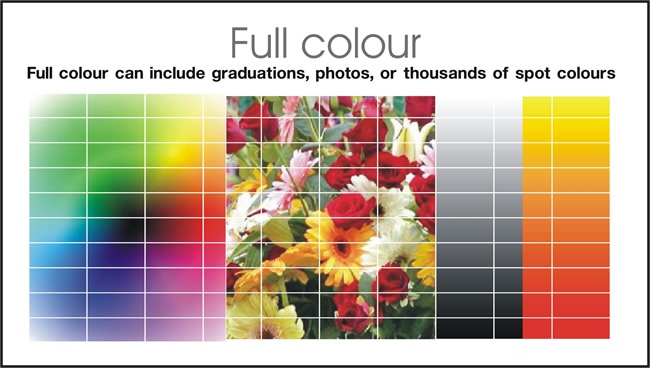
- If you have digitally printed (full colour or graduated) vinyl, do not use solvent of any kind. This may cause the image to fade. Soapy water is all you will need.
- Use heat! Vinyl can be removed easier when it is warm. A hair dryer is the best tool for the job. Caution! Do not use hot air guns, these may burn the paint and also it can be highly dangerous if used around the petrol cap!!!!
- To remove the glue residue use white spirit. Let it soak in for approx 2 minutes first, glue should then be easy to use.
- Do not use a knife to remove vinyl. It may ‘pierce’ the paint. Whereas this may not show at first it could begin to rust. Use a plastic knife or ask us for a squeegee
- When the entire vinyl and glue residue is removed, it would be wise to use ‘T’ cut to hide the ‘ghosting’ that may be evident.
Impact signs do offer a vinyl removal service. It includes vinyl and adhesive residue removal and ‘T’ cutting. All vehicles must be delivered to and collected from our premises in Aylesbury.
Gallery
FAQ's
Chevrons Reflective Information
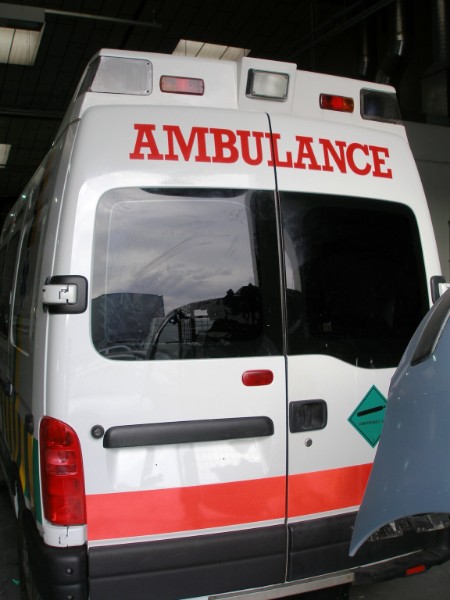
Chevron kits are reflective and fluorescent vinyl markings applied to rear doors, commonly used for highway and utility vehicles.
Chevrons Reflective Information
Yes – we supply kits that meet Chapter 8 guidelines, using approved reflective materials.
Chevrons Reflective Information
Yes – we offer full coverage, partial coverage, and custom fit for your vehicle type.
Chevrons Reflective Information
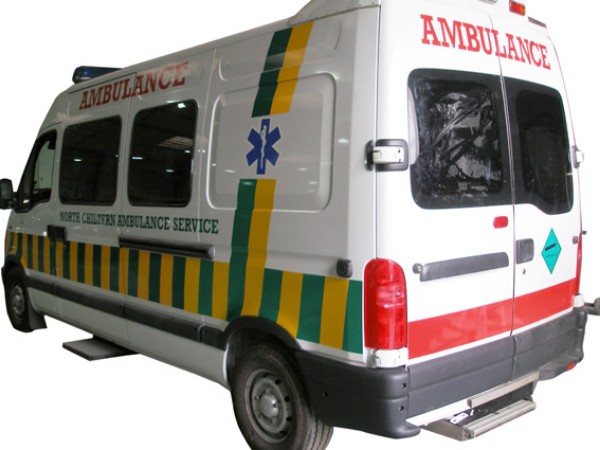
Standard kits feature red and fluorescent yellow for maximum rear visibility. We also offer Battenburg patterns in blue and yellow for emergency-style identification, depending on your operational requirements.
Chevrons Reflective Legal Compliance and Road Use
Reflective decals are legal to apply, but restrictions apply to designs that could be mistaken for emergency vehicles. Always ensure your use complies with road safety laws and avoids impersonation of official services.
Chevrons Reflective Information
Chapter 8 is part of the UK Department for Transport’s Traffic Signs Manual. It provides safety guidelines for vehicles working on or near highways, including visibility markings like rear chevrons to protect road users and workers.
Chevrons Reflective Information
Chapter 8 markings are strongly recommended if your vehicle stops or operates on public roads, especially for utility, construction, or highway maintenance work. Local authorities or contractors may require it to meet safety standards.
Chevrons Reflective Information
Yes – Pre-cut panels match your vehicle model. However, professional installation is ideal if you want perfect alignment and maximum durability.
Chevrons Reflective Removal and Replacement Advice
Yes – chevrons can be removed using heat (a heat gun or hairdryer). Leftover adhesive can be wiped off with solvent. Take care with older kits, which may be more brittle.
Chevrons Reflective Information
Hand wash with non-abrasive soap and avoid high-pressure jets. Don’t use harsh chemicals or automatic car washes. Regular gentle cleaning helps preserve reflectiveness and colour.
Chevrons Reflective Durability and Weather Resistance
Longevity depends on UV exposure, cleaning habits, and weather. Typically 5 to 7 years for the reflective vinyl Florescent vinyl fades more quickly because the pigments are inherently less stable than traditional pigments. They absorb UV light at high levels and emit it as visible light, but this also accelerates photodegradation. Over time, UV exposure breaks down the molecular bonds in the pigment, causing it to lose vibrancy.